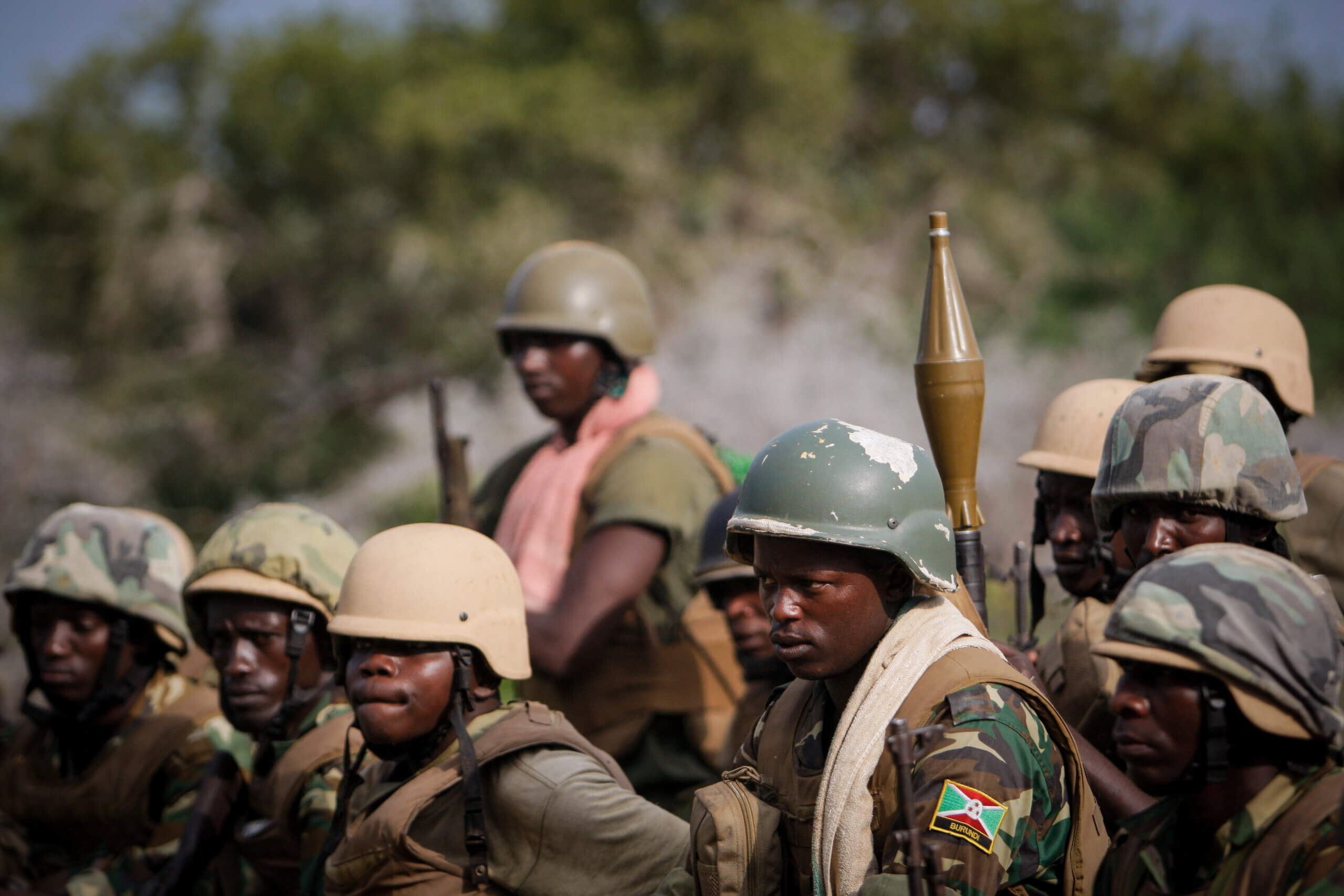
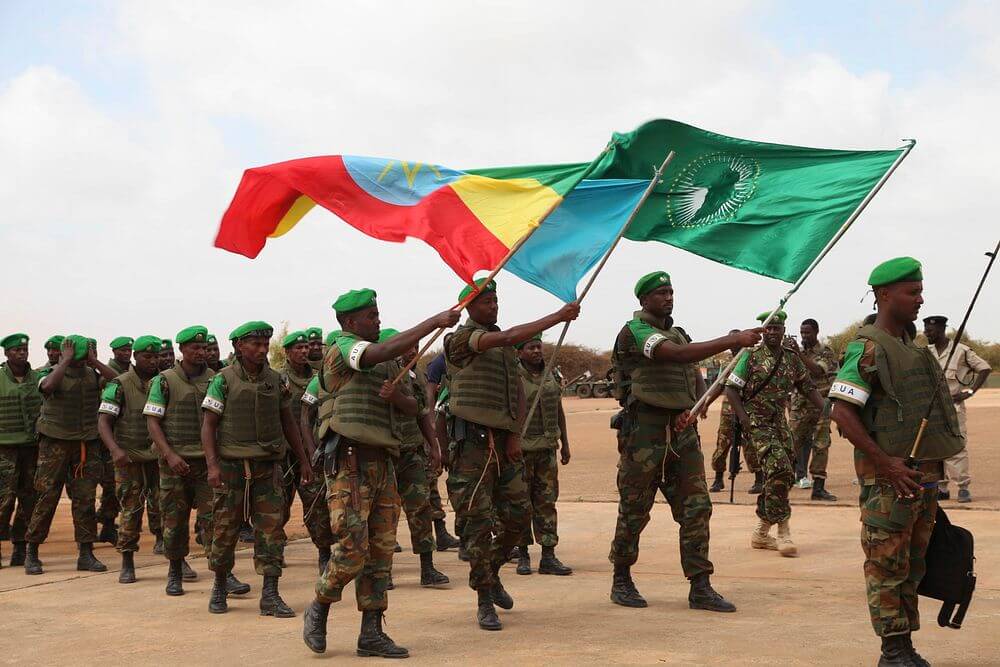
In a significant military move, Ethiopian Prime Minister Abiy Ahmed has authorised the deployment of long convoys carrying armored personnel carriers (APCs) and various combat vehicles to the Somali border regions of Bakool, Bay, and Gedo. This is a preemptive action aimed at countering Egypt’s growing military presence in the region.
Reports indicate that Egypt has deployed a force of 10,000 soldiers to Somalia, under the African Union’s mission to stabilise the country. However, the underlying tensions between Egypt and Ethiopia over the Nile River and Ethiopia’s controversial hydro dam have contributed to the increasingly strained relations between the two nations.
This escalating conflict has already begun to reverberate across the Horn of Africa, raising serious concerns about regional stability.
The Nile Dispute: A Long-Standing Issue
The roots of this conflict stretch back over a decade. In 2011, Ethiopia began construction on the Grand Ethiopian Renaissance Dam (GERD) on the Blue Nile, a project that has sparked bitter disputes with Egypt. The Egyptian government views the dam as a serious threat to its water supply, which depends almost entirely on the Nile.
Egypt’s anxiety is grounded in its need for the Nile for both agriculture and as a critical source of hydroelectric power, primarily through the Aswan High Dam. Despite numerous rounds of negotiations – including a US-brokered attempt in 2019 – no resolution has been reached, heightening tensions in the region.
Egypt’s Military Presence in Somalia
As tensions over the Nile continue, Egypt’s decision to send 10,000 soldiers to Somalia has raised alarms. Although Egypt has framed its presence as part of the African Union’s mission to stabilise Somalia, it is impossible to ignore the broader geopolitical ramifications of this move.
The historical and ongoing conflict over the Nile, coupled with Ethiopia’s growing alliance with Somaliland, signals a deeper strategic concern. Egypt is not only trying to safeguard its water interests but also attempting to thwart Ethiopia’s influence in the region. This complex geopolitical game could trigger a broader regional conflict.
XIM's Ferro Responds to the Crisis
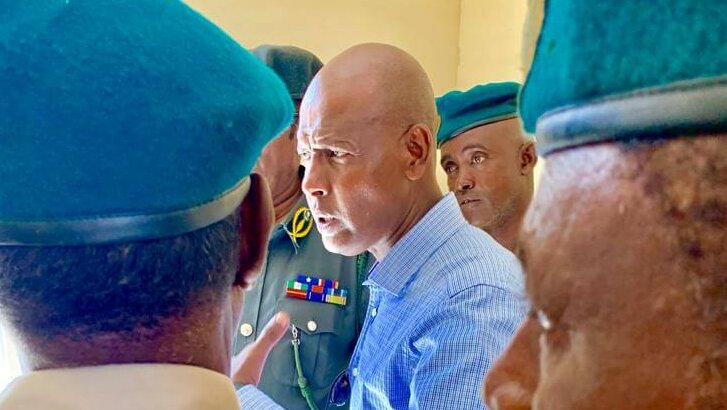
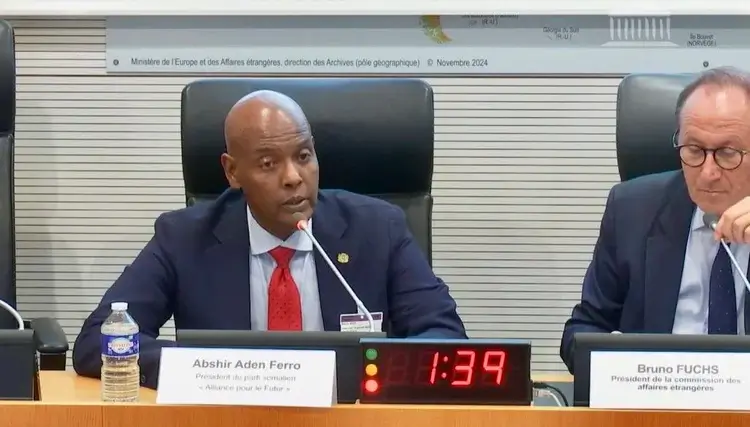
Abshir Aden Ferro, Chairman of the Alliance for the Future Party, has issued a strong response to the escalating conflict. Ferro, who has long been a proponent of regional cooperation and stability, has expressed deep concern over the implications of the military build-up.
“The Horn of Africa is teetering on the brink of a serious crisis,” Ferro warned. “The actions of Ethiopia and Egypt, combined with the instability in Somalia, risk creating a volatile situation that could destabilise the entire region.”
Ferro also underscored the importance of dialogue and diplomatic efforts to resolve these issues before military escalation leads to a catastrophic outcome for all involved.
A Path Forward
The geopolitical shifts in the Horn of Africa should serve as a wake-up call to all parties involved. The region cannot afford further instability, particularly with such high stakes surrounding water rights, military influence, and regional power dynamics.
Ethiopia’s military build-up and Egypt’s deployment of forces are clear signs that tensions are mounting. It is crucial that regional and international stakeholders come together to prevent further escalation and find a peaceful solution before the situation spins out of control.