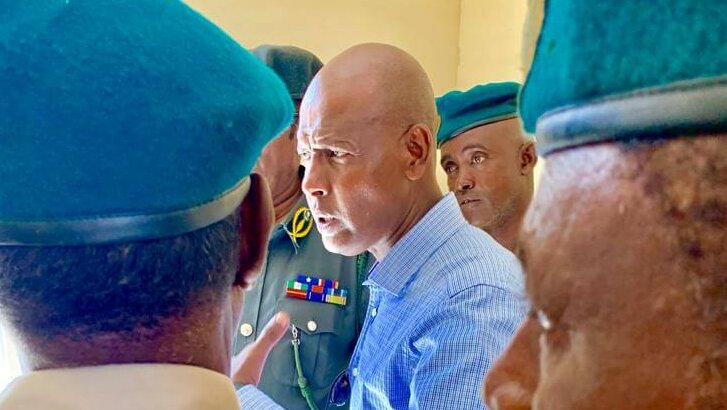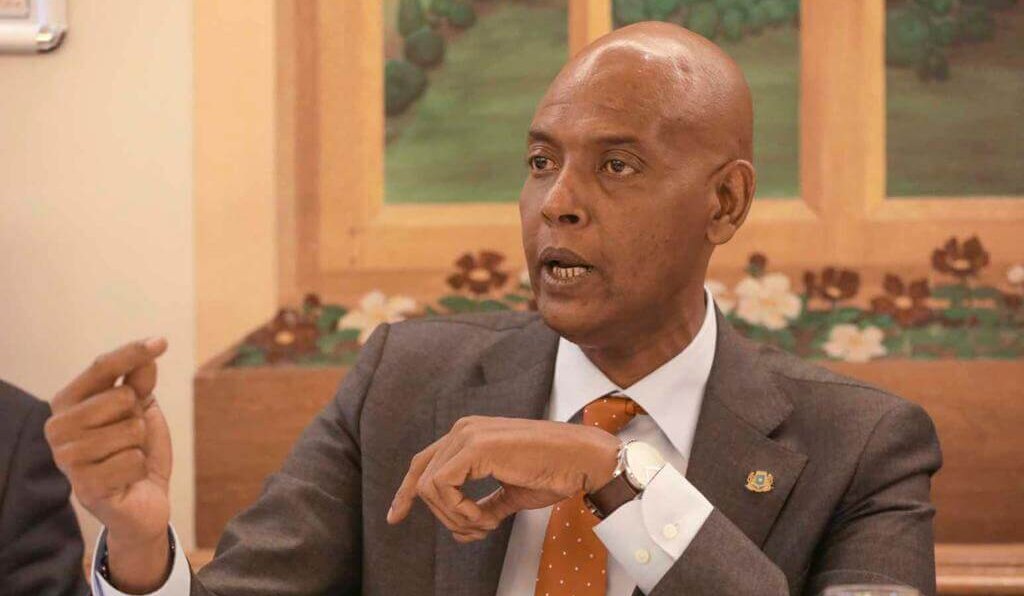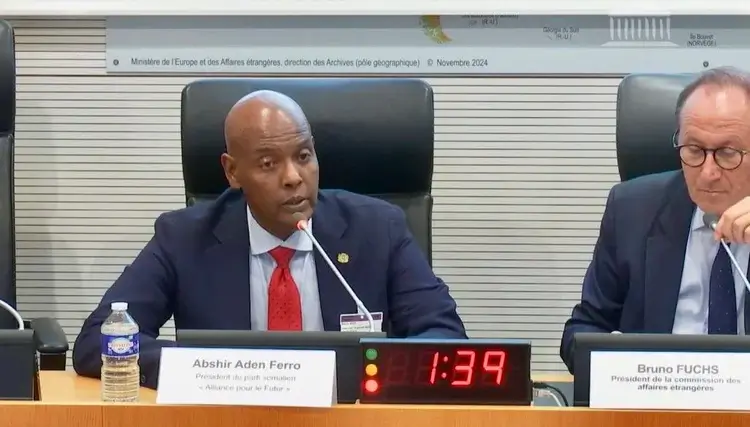
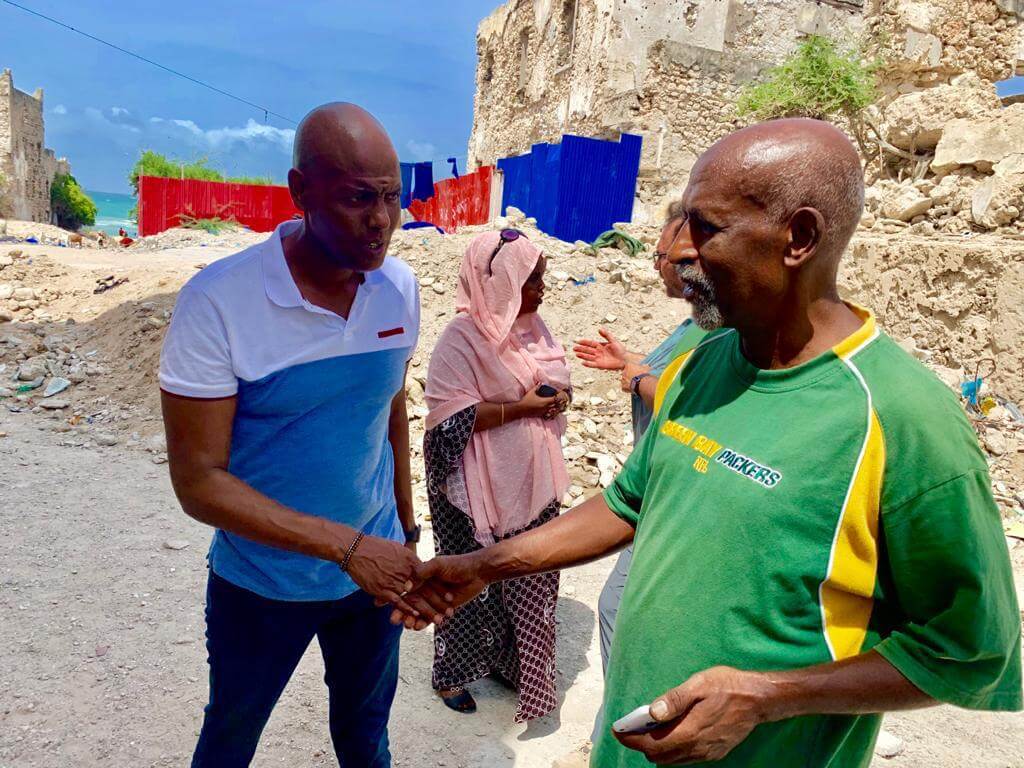
A country cannot call itself free while a 27-year-old rickshaw driver is stripped, beaten and locked in solitary confinement for the crime of criticising fuel prices on Facebook. Yet that is precisely what happened to Sadia Moalim Ali, arrested in Mogadishu in April 2026 and, by her own account to the Guardian, tortured in a cell known locally as the “cell of death.” Her case is not an aberration. It is a symptom of exactly the closed, unaccountable system that our Chair, Abshir Aden Ferro, has spent his political life fighting, and that XIM is committed to dismantling.
Women Have Heard “Historic” Before
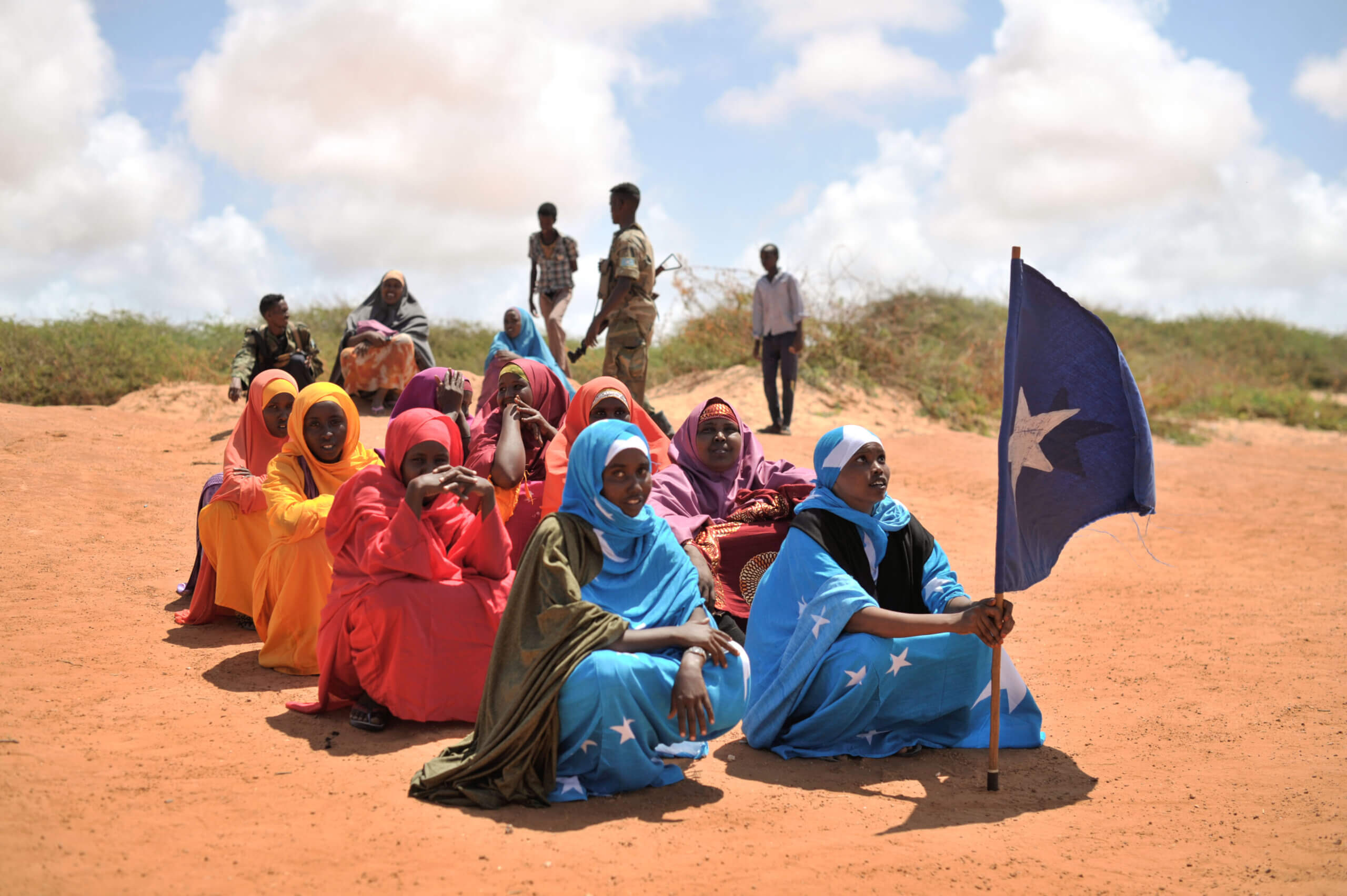
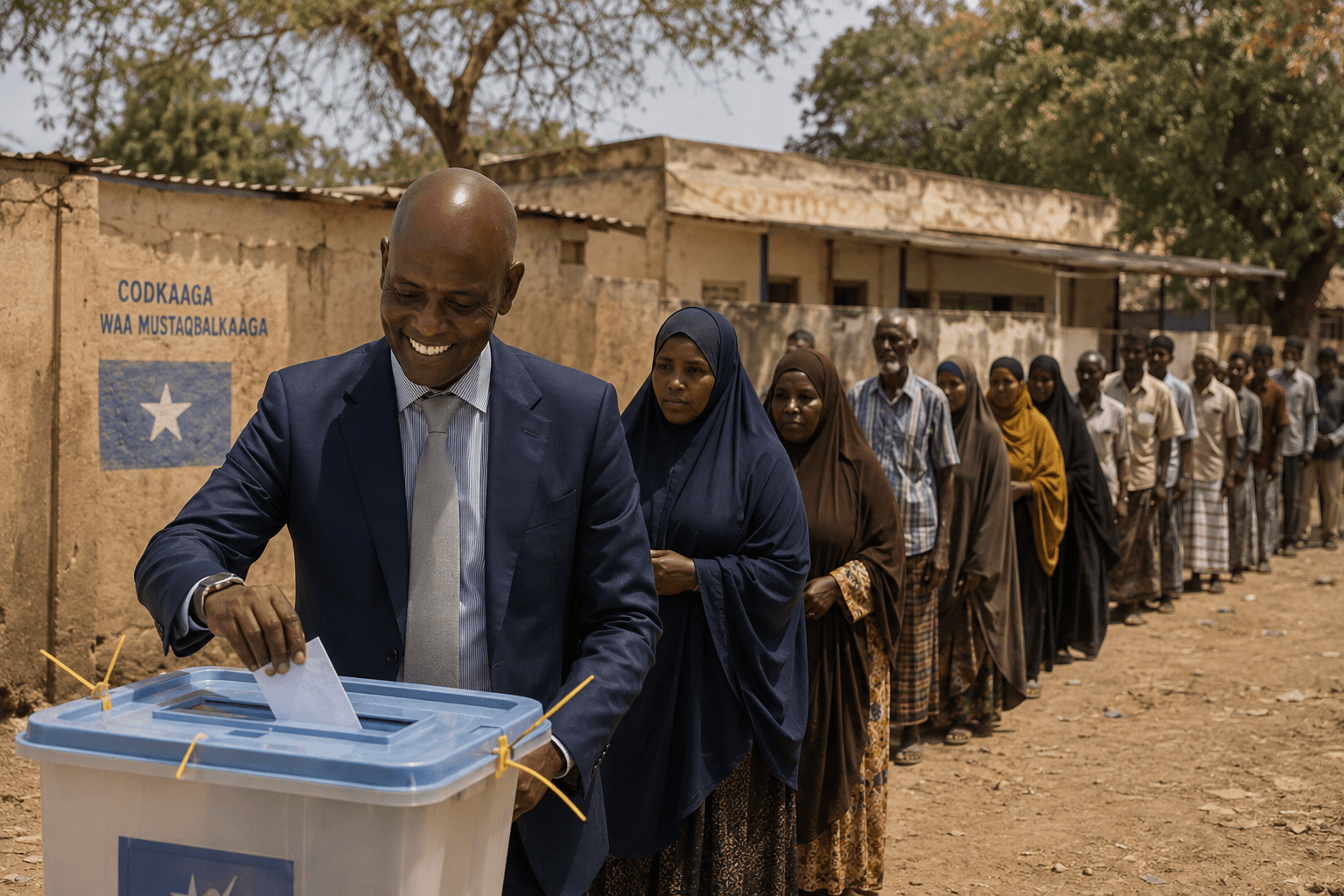
Somalia’s constitutional reforms of March 2026, formally introducing one-person-one-vote elections for the first time since 1969 (something Abshir led the way in implementing), were rightly described as historic. But Somali women have heard this before. Since the 2012 Garowe Principles, women have repeatedly been promised a genuine political voice, only to watch their reserved seats reallocated to male relatives once the cameras moved on. Meanwhile the Somali government were, only recently, still holding workshops to “strengthen coordination” on women’s participation in peacebuilding, a sign of how much groundwork remains before promises translate into power.
Abshir has long argued that this pattern must be broken, not managed. As he puts it plainly, drawing on his own faith: in Islam, when the Prophet Muhammad (عَلَيْهِ ٱلسَّلَامُ) was asked who deserves the greatest respect, he answered three times, “your mother”, before naming a father at all. Abshir has repeatedly said that Somali women “carried the nation through conflict and instability” while Somali men, in his words, brought “chaos, bloodshed, and corruption.” For him, this is not a talking point borrowed for an election cycle, it is a conviction stated consistently in his book, in party meetings, and in interviews long before he sought office.
A Free Press Cannot Be Optional
The same closed instincts that jailed Sadia Moalim Ali are strangling Somalia’s press. The International Press Institute documented an alarming escalation in attacks on journalists in May 2026 alone, including the arrest and beating of reporters covering evictions and unrest in Mogadishu. In Puntland, the International Federation of Journalists reported two more arrests in under a fortnight in July, journalists Suways Jama Mohamud and Mohamad Jama Mohamud detained simply for reporting on tax protests and militia activity. This builds on a well-documented pattern; British-Somali journalist Jamal Osman, a contact and long-standing observer of the country Abshir knows well, was himself detained and expelled from Puntland in 2024 for his reporting.
Abshir’s own message to journalists has been consistent: he wants to be one of the first people the press contacts when developments occur in Somalia, and he has said openly that inaccurate or restricted reporting damages the very international partnerships Somalia needs. A country that arrests reporters for asking questions about port taxes is not a country ready to attract investment, tourism, or trust.
There are reasons for hope. Bilan Media, Somalia’s first women-led newsroom, has shown what a freer press can look like, breaking stories on FGM, forced eviction and gender-based violence that the mainstream Somali media had long ignored, and having its journalism picked up by the Guardian, the BBC and El País. Abshir’s vision is to make that the rule, not the exception.
No Somali Left Behind
An open Somalia must also reach those furthest from power. Disability remains one of the most neglected areas of Somali policy: the Borgen Project notes that disabled Somalis face significantly higher unemployment than the non-disabled population, compounded by a health system in which barely a third of facilities are functional. Encouragingly, a national Disability Inclusion Working Group was revised as recently as January 2026, a step in the right direction, but implementation on the ground remains thin. Abshir has spoken for years about volunteering with disabled children in London for four years, and has said plainly that “in the West, we prioritise the rights of autistic individuals and people with disabilities… the same should apply in Somalia.”
Openness Is Not a Slogan, It Is a Strategy
XIM Chair, Abshir’s 12-point vision for Somalia commits to an “equal Somalia” and an “inclusive Somalia”, built on the same logic that underpins his anti-corruption message: a country that silences its women, its journalists and its disabled citizens is a country that can never build the transparent institutions it needs to thrive. Openness is not a courtesy Somalia extends once security and prosperity arrive. It is the precondition for both.