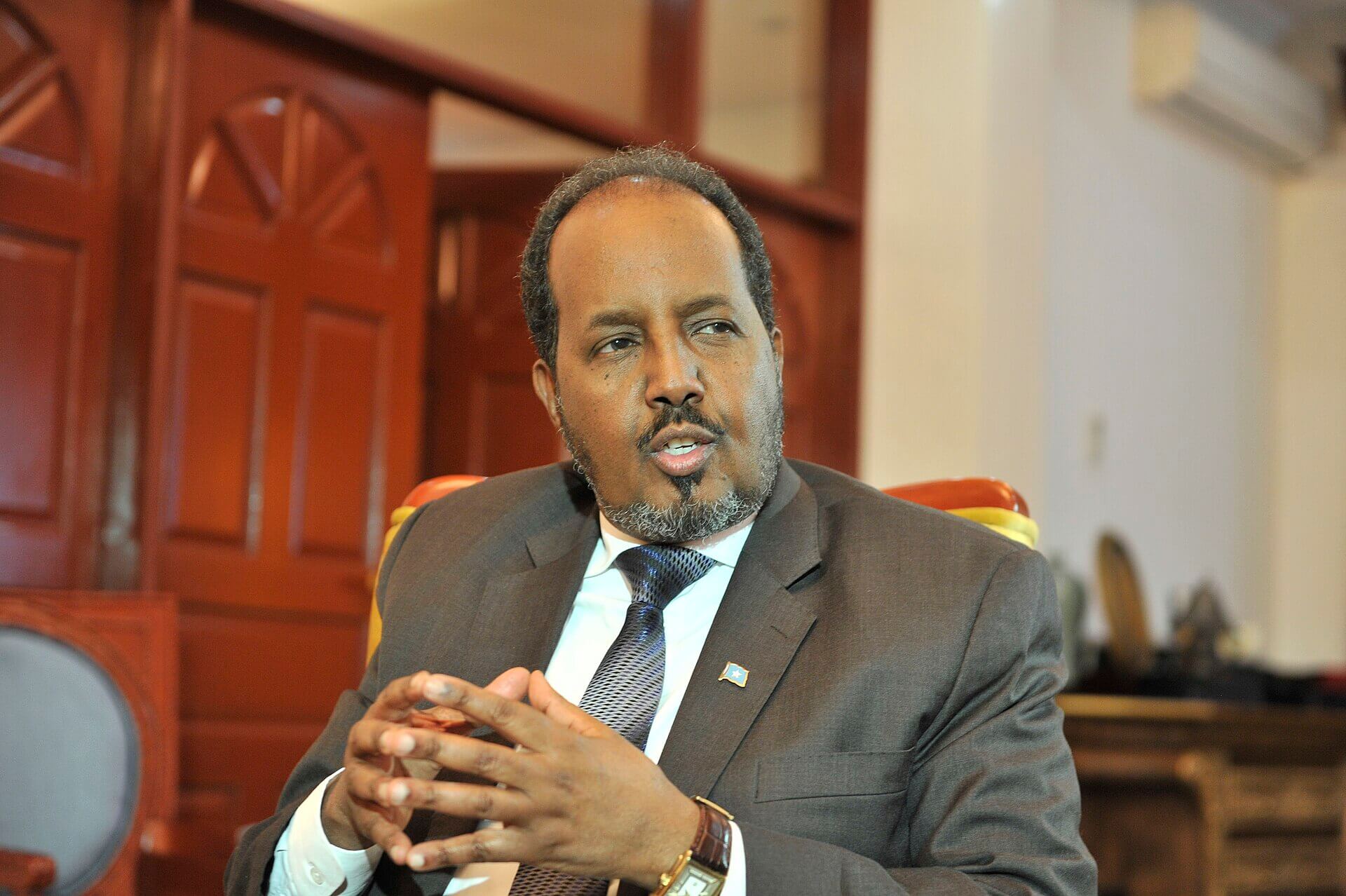
Last week, Somalia’s highest court told the most powerful man in the country that the law applies to him too. On 5th November, the Supreme Court ruled that President Hassan Sheikh Mohamud’s one-year term extension was unlawful. It found that his four-year mandate expired on 15th May 2026, that the constitutional amendments passed in March do not apply to his current term, and that the federal government should be limited to routine caretaker duties.
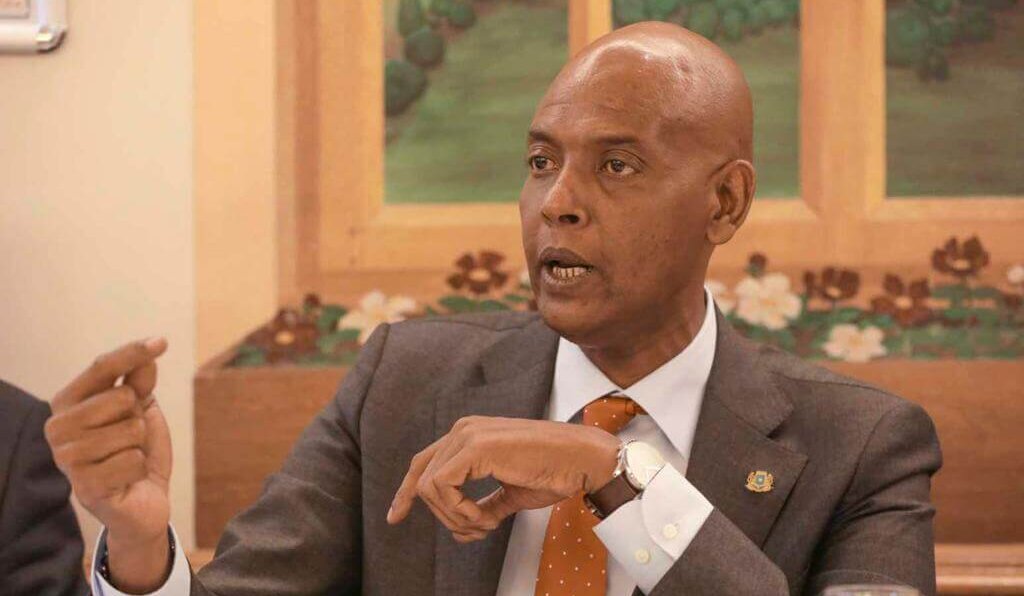
For Abshir Aden Ferro, the ruling confirms what he has said for years. Somalia’s problem has never been a shortage of laws. It has been leaders who behave as though they sit above them.
A president who dismissed the judge
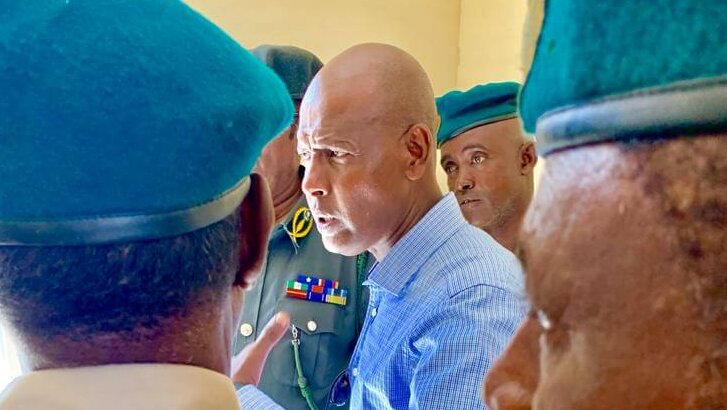
The confrontation moved fast. The day before the ruling, the president announced on Facebook that he had dismissed Chief Justice Bashe Yusuf Ahmed and appointed a replacement, citing concerns raised by judges and legal professionals. The Supreme Court declared the dismissal null and void and said it was designed to obstruct justice in the very case before it.
Opposition figures, including former prime minister Hassan Ali Khaire, accused the president of sending security forces to the court to arrest the chief justice. Those claims remain unconfirmed. According to Le Monde, the court has told Somalia’s political factions to agree arrangements for a new election within 30 days, with the vote to follow within 90 days. The president has called national talks from 14th to 18th November, but opposition leaders question his right to convene them.
None of this is a normal way to run a country. A president who removes the judge hearing the case against him is not defending democracy. He is protecting himself.
Flawed elections produce flawed leadership
The same pattern was visible in Galmudug. In August, the Supreme Court annulled the region’s elections after finding serious irregularities. The fresh vote on 30th September went ahead without Towfiiq, the opposition organisation that had won the legal challenge in the first place. The newly installed president, Liibaan Axmed Xasan, was inaugurated in the presence of President Hassan Sheikh. Shabelle Media reported that he then handed over privately owned military vehicles and weapons to the regional administration.
Somali commentator Abdiqani Haji Abdi argues that when those in power control the outcome, principled candidates stay away and money and connections take over. The result is public office that rewards loyalty rather than competence. That is not democracy. It is a transaction.
Security is paying the price
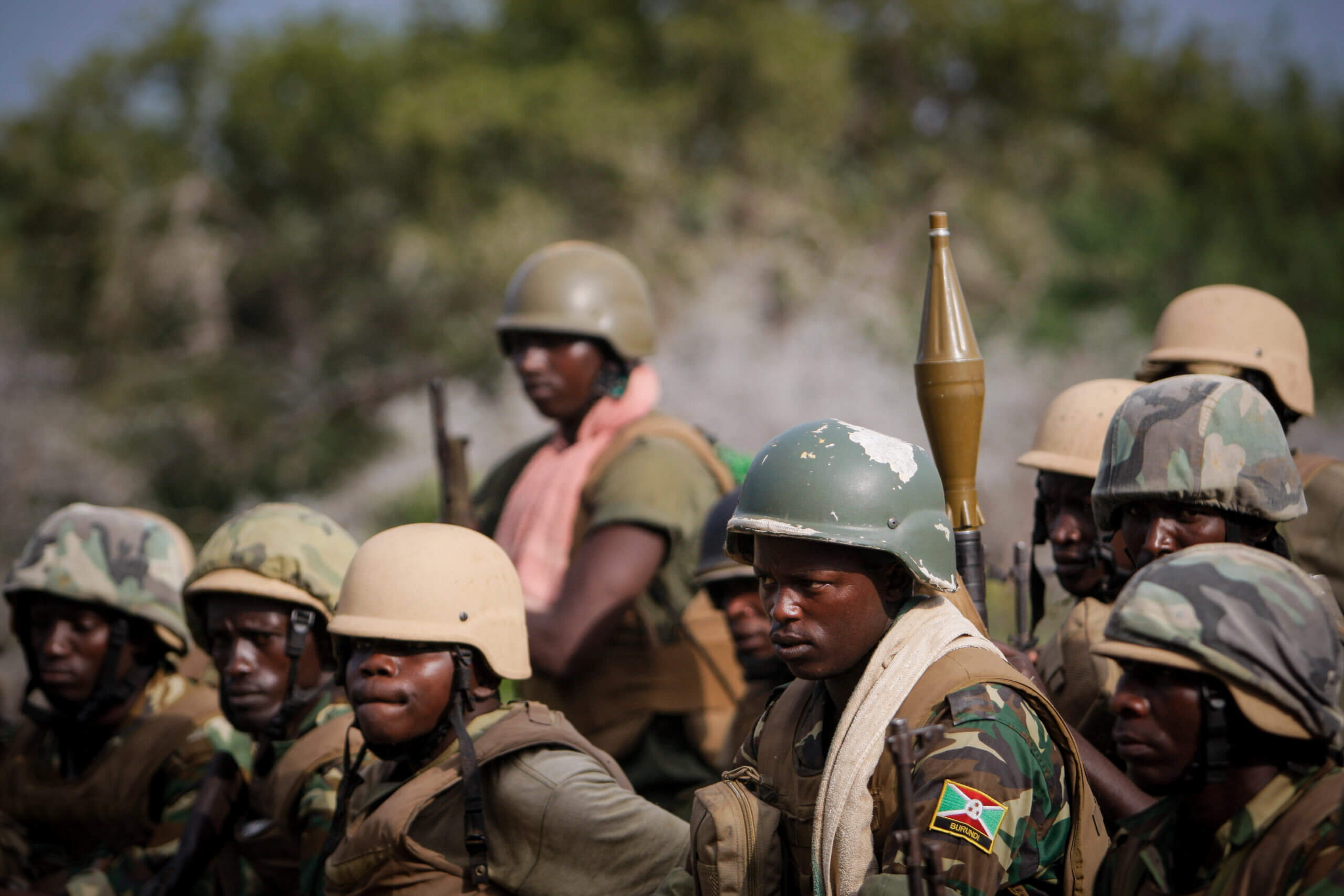
The politics is not an abstract argument. Uganda has announced it is withdrawing its troops from Somalia. Its soldiers make up between a third and a half of the roughly 12,000 personnel in the African Union mission. Al-Shabaab has not weakened, and in late October an ambush likely killed a large number of Somali soldiers who were heading to reinforce fighting in Southwest State, where the federal army is battling forces loyal to a former regional governor.
Puntland and Jubaland, meanwhile, accuse the president of centralising power at their expense. A government at war with its courts, its federal states and its own opposition cannot also defeat terrorism. Without unity and the rule of law, there is no security.
Abshir’s story: the call he could not ignore
Abshir never intended to seek the presidency. Born in Mogadishu, he built a career in the military, in security and intelligence, and in business across Europe and the Middle East. He watched as democracy was dismantled, as terrorism and corruption festered, and he heard the desperate call from Somalia that he could not ignore.
For him it is personal. He has lost friends to terrorism. He walked away from the last election rather than pay bribes to be heard, and he refused when a minister demanded a bribe over his livestock export centre in Berbera. His security work has also involved supporting elections abroad, so he knows exactly what genuine, functioning elections look like, and what Somalia has been denied.
Abshir’s 12 point vision answers this crisis directly. A lawful Somalia means institutional guardrails so that politicians are never above the law, with compromised courts eliminated and a truly independent High Court established. An honest Somalia means a dedicated anti-corruption ministry and total transparency, because Abshir has fought corruption before and will do it again.
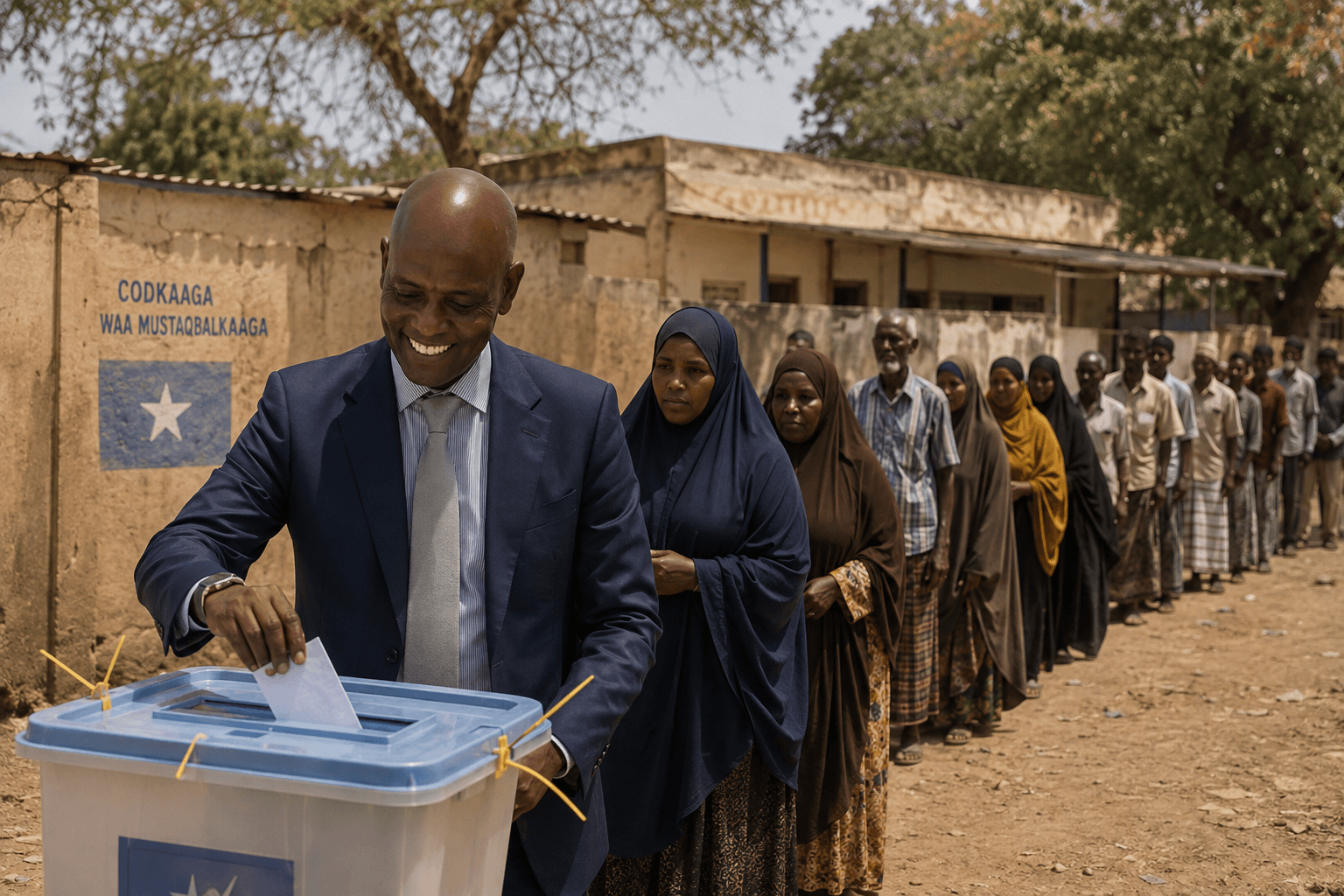
A democratic Somalia means one person, one vote. His campaign says he has been the only political figure in Somalia fighting for it since he walked away from the last race. His plan is to decentralise power, end political marginalisation and introduce fair election laws, so every Somali has one equal vote regardless of clan, region or gender, and the people rather than the powerful decide their destiny.
President Hassan Sheikh says he remains determined to hold elections by universal suffrage. Words are cheap. Somalis have heard the promise before, and they have now watched the court test it. Real one person, one vote cannot be run by those who benefit from delaying it, rigging it or ignoring the judges who guard it.
Somalia is ready for renewal, and its own Supreme Court has just shown that the institutions to hold power to account can survive. To those who say real democracy cannot be done, Abshir has a simple answer: “Then I will become President and do it myself.”