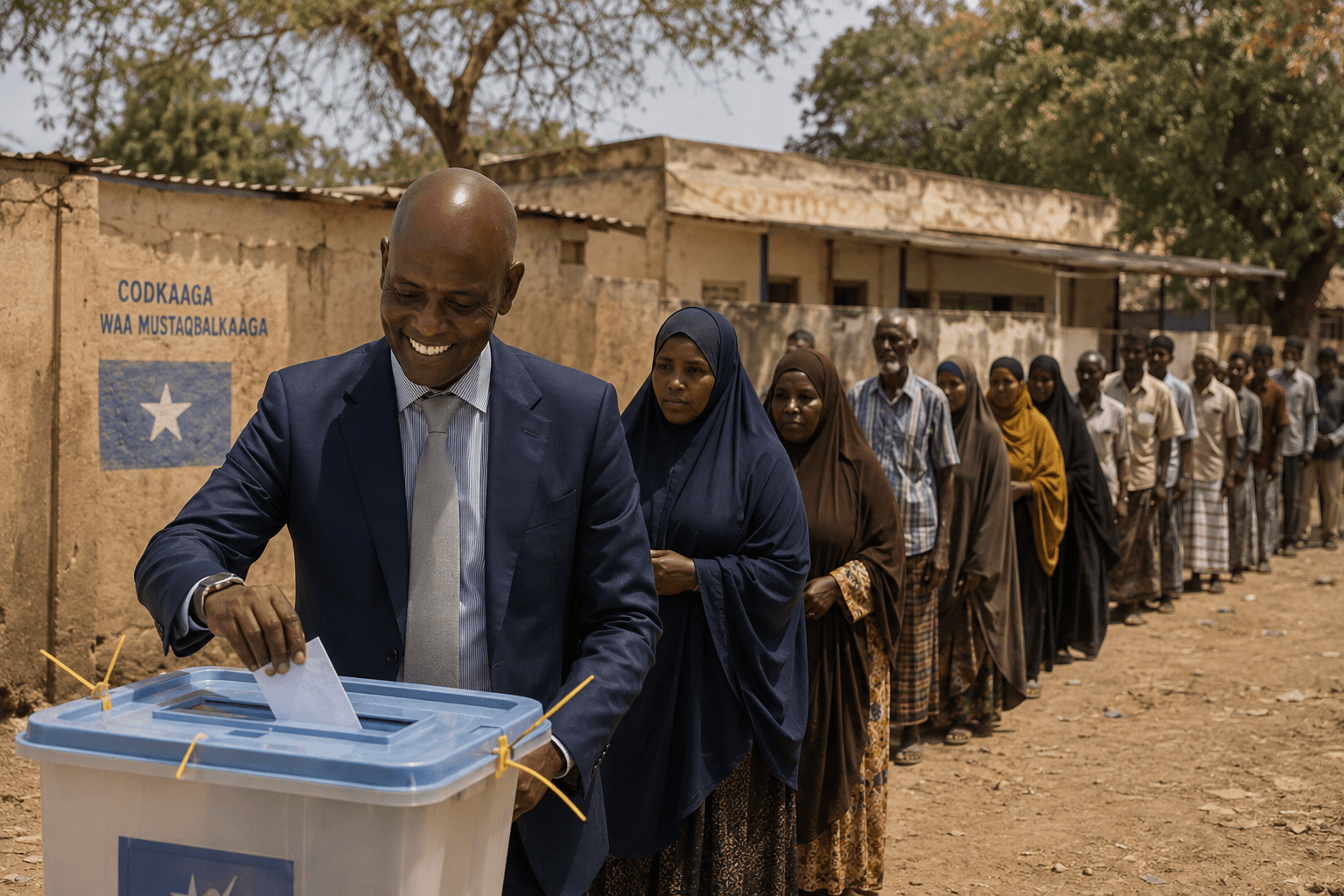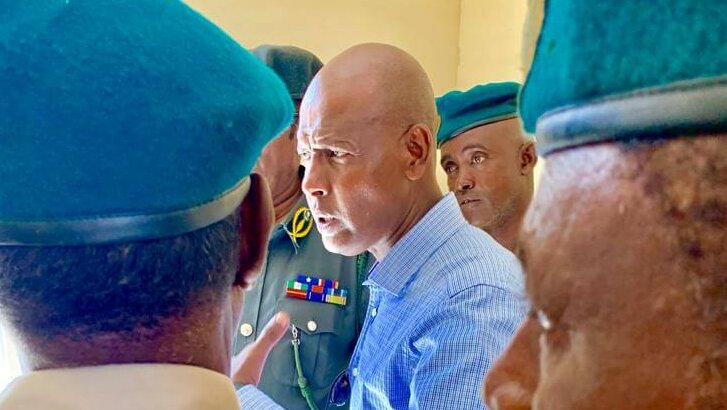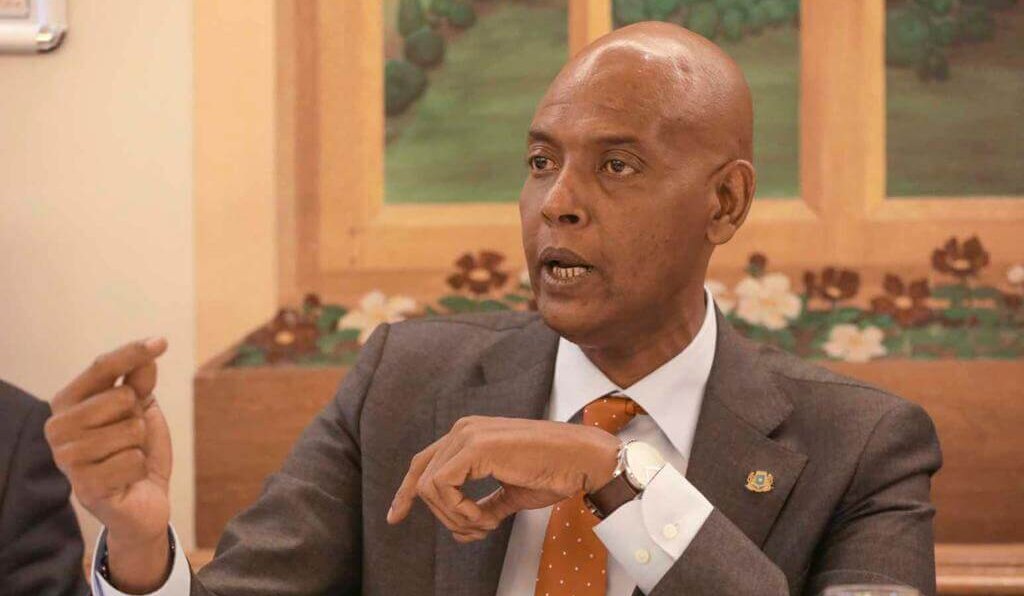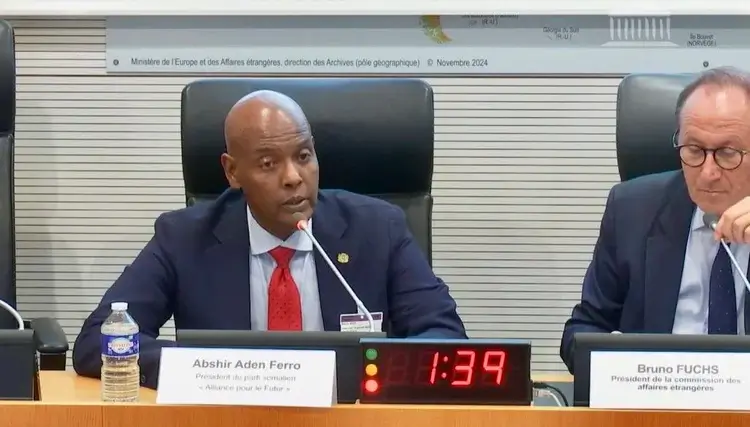
Once again, Somalia is talking about ‘one person, one vote.’ It has become the defining promise of President Hassan Sheikh Mohamud’s government as the country edges toward elections. But long before it was a slogan repeated at press conferences, ‘one person, one vote’ was the central, defining cause of the Alliance for the Future Party and our Chair, Abshir Aden Ferro.
No one was seriously talking about a genuine one-member-one-vote system until Abshir raised it during his last presidential run. At a time when Somalia’s political class was comfortable with a vote built on clan quotas, backroom deals, and money changing hands for a seat at the table, Abshir stood up and said the system was rigged beyond repair. He said that the only way forward was for every Somali, regardless of clan, gender, or wealth, to have an equal say in choosing their leaders. Abshir is fighting for this vision today.
Abshir walked away from potential electoral success to make that exact point. Ahead of the last election, he withdrew his own candidacy rather than participate in a process he describes as fundamentally corrupt – one where simply registering to be heard could cost tens of thousands of dollars. For Abshir, that wasn’t a system of democracy – it was bribery dressed up as politics. Stepping back wasn’t surrender. It was a statement. And it worked. People are waking up to just how broken the system was and remains.
Abshir has seen, up close, what genuine universal-suffrage actually looks like. The logistics, the safeguards, the verification, the calm transfer of legitimacy from voters to representatives. Most Somali politicians, including the President, promising ‘one person, one vote’ have never witnessed that process operate as intended, because it has never truly happened in Somalia. Through his security company’s facilitation of overseas ballots, Abshir has watched it flourish elsewhere, and he knows how far the current proposals fall short.
That experience matters, because the gap between the idea of ‘one person, one vote’ and the reality of how it’s being implemented in Somalia today is enormous.
President Hassan Sheikh Mohamud now speaks about Somalia’s transition to one-person, one-vote, and the government has pushed through legislation and a phased rollout of local elections in several federal member states. On paper, this sounds like progress. In practice, it tells a very different story.
Several federal member states remain locked in disputes with Mogadishu over how, or whether, these elections will actually be run in their territories. And in a move that has alarmed observers across the region, parliament approved – and the president signed – constitutional amendments extending both the presidential and parliamentary terms by an extra year, pushing elections back to 2027 even as officials insist this is simply about ‘technical preparation.’ Abshir has not been shy about what he calls it – a constitutional coup.
Compromises reached so far have also revealed the limits of the government’s commitment to ‘one person, one vote’. Under one reported agreement, the president would continue to be chosen by parliament rather than directly by the people, while only MPs would be elected through universal suffrage – a partial reform that keeps the most powerful office in the land insulated from the very voters the ‘one person, one vote’ slogan claims to empower.
This is precisely the danger Abshir warned about. A one-person, one-vote system designed by the people currently in power, for the benefit of the people currently in power, is not reform – it is the old system wearing new clothes.
Genuine ‘one person, one vote’ is a direct strike against the corruption that has hollowed out our institutions for decades. The same corruption that allows courts to be bought, MPs to demand payment, and public money to be diverted into the hands of those who profit from instability. When every vote counts equally and cannot be bought, bargained for, or assigned by clan elders, politicians answer to the people – not to power brokers.
It is also, fittingly, a return to Somalia’s own history. Somali women secured the right to vote before women in Switzerland did – a fact Abshir points to as proof that genuine inclusion isn’t a foreign import, but a Somali tradition waiting to be reclaimed.
Somalia doesn’t need another government claiming credit for an idea it didn’t originate and isn’t fully prepared to deliver. It needs the person who raised the alarm first, understood the stakes earliest, and has never wavered – Abshir Aden Ferro.