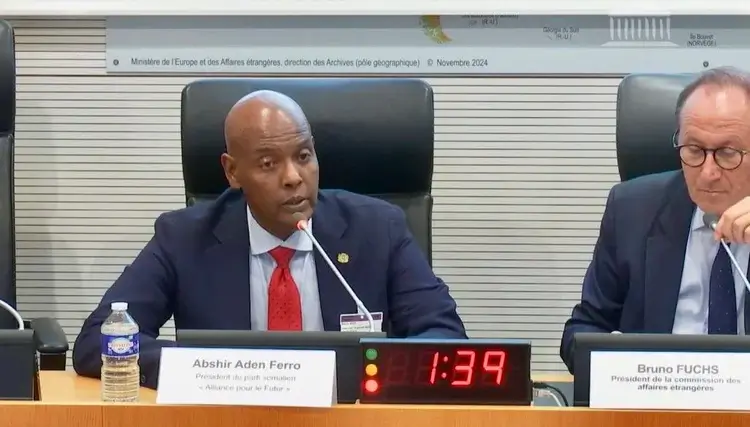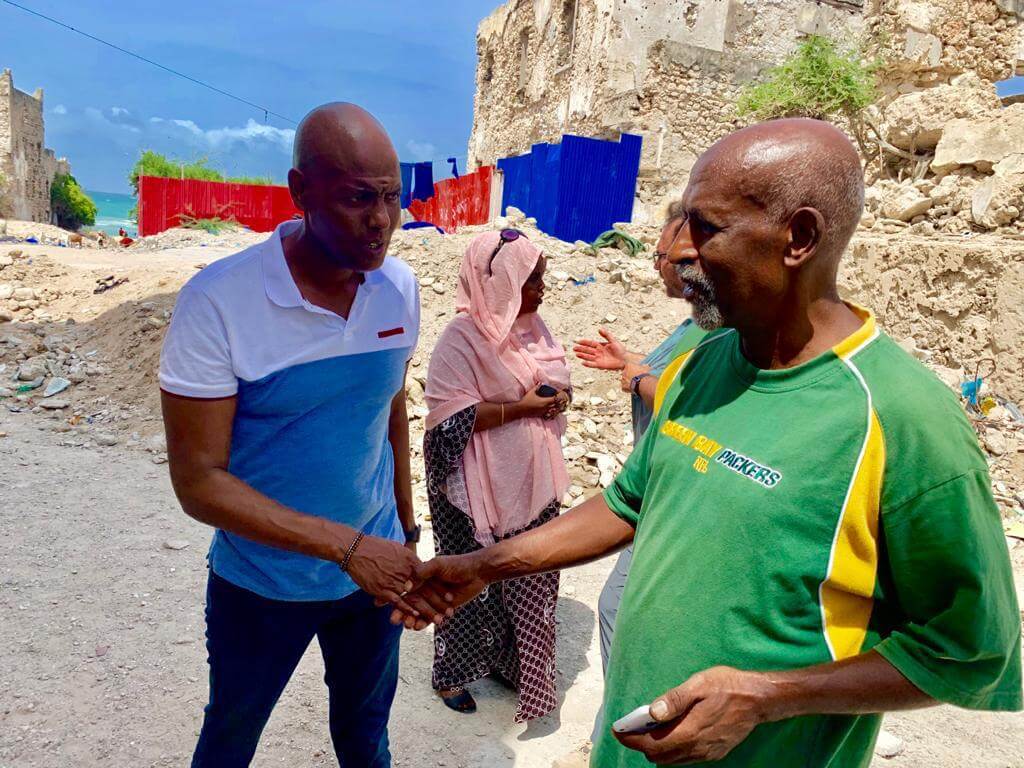
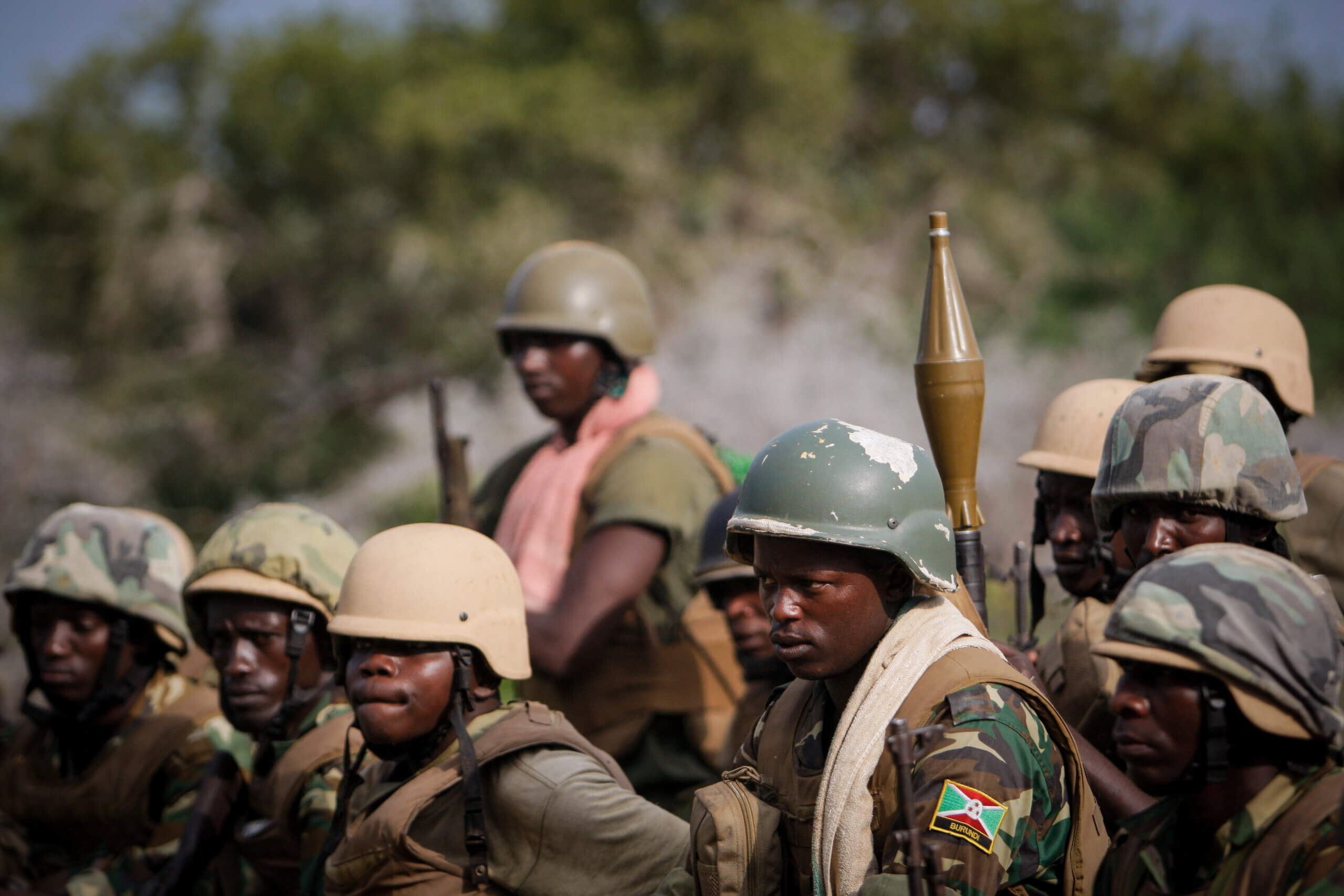
For almost two decades, African Union peacekeepers have stood between Somalia and collapse. Now, that mission is ending. On 1st July 2026, the United States told the African Union it would not fund the African Union Support and Stabilisation Mission in Somalia, AUSSOM, beyond 31st December, and would block any UN logistical or operational support when the mission’s mandate comes up for renewal at the UN Security Council in December. For Abshir Aden Ferro, this is the moment Somalia has been avoiding for twenty years, and the moment his campaign has been built for.
Why the mission is ending
AUSSOM, and the AMISOM and ATMIS missions that came before it, have never been paid for by Somalia. They have relied almost entirely on the United Nations Support Office in Somalia for transport, fuel, food, water and medical support for close to 12,000 AU personnel and over 20,000 Somali security forces. Analysts at the Institute for Security Studies argue that this level of dependency was never sustainable for twenty years, and that the mission had already reached the limits of what a military operation alone could achieve well before Washington pulled its funding. Research from Amani Africa describes the withdrawal of UN logistics support as akin to switching off life support for a patient who depends entirely on it, since AUSSOM simply cannot function without an alternative arrangement being found in a very short window of time.
The African Union has been scrambling to respond. Chiefs of Defence Forces from troop and police contributing countries met in Kampala in July to weigh up three options, ranging from keeping the current setup and absorbing a 130 million US dollar funding cut, to converting the mission into a regional cooperation framework built on bilateral deployments, to an organised, fully planned withdrawal and handover to Somali ownership. None of those options are painless, and all of them depend on a Somali state that has, for years, treated international military support as a permanent fixture rather than a bridge to genuine self-reliance.
Somalia is not ready, and everyone knows it
At a National Internal Security Conference held in Mogadishu on 1st and 2nd September, Somali officials publicly acknowledged the scale of the challenge ahead, including the personnel and funding gap that AUSSOM’s departure will leave behind. Somalia’s national security adviser insisted the mission will not disappear overnight and that any drawdown will track the readiness of Somali forces to take over. That reassurance only underlines the problem. Twenty years and multiple missions later, Somalia’s own government is still describing troop readiness as a work in progress rather than a fact on the ground, even as opposition figures and security analysts warn openly of an Afghanistan style collapse once foreign forces leave.
Cooperation between Mogadishu and the federal member states, which any credible security transition depends on, remains badly strained. Puntland and Jubaland did not even send representatives to the September conference, a telling sign of how far Villa Somalia is from commanding the unified national response this moment demands.
Abshir’s vision: a Somalia that defends itself
This is precisely the failure of leadership Abshir Aden Ferro has spent his campaign warning about. His platform of hope, peace, and security was never designed around permanent dependency on foreign troops. It was built on the idea that Somalia must own its own security, its own courts, and its own future, and that starts with an army and police force that Somalis trust and that answers to Somalia rather than to whichever foreign donor is footing the bill that year.
Abshir’s plan calls for restoring order to every corner of the country and cutting off the financial pipelines that let Al-Shabaab operate with such devastating reach. That is not a slogan. It is a recognition that no international mission, however well funded, can substitute for a Somali state with the institutions and the will to protect its own people. A safe Somalia, in Abshir’s vision, means Somali forces properly trained, properly paid, and properly led, backed by a judiciary strong enough to actually prosecute those who fund and shelter terrorism rather than simply displacing the problem onto whichever peacekeeping force happens to be deployed that decade.
He has also been consistent that security cannot be separated from economic opportunity and honest government. A Somalia that gives its young people jobs, that reclaims its coastline and its mineral wealth for its own people rather than for corrupt officials and foreign exploiters, is a Somalia that starves extremism of the recruits it depends on. AUSSOM’s withdrawal is not simply a security story. It is a test of whether Somalia’s leadership can finally deliver the stability, transparency, and self-reliance that twenty years of foreign troops were always meant to be building towards, not replacing.
Villa Somalia has had two decades and multiple foreign missions to build a Somalia capable of standing on its own feet. It has instead treated outside support as a permanent crutch. Abshir Aden Ferro’s message to Somalis is straightforward. The African Union is leaving. Somalia needs a government finally ready to take its place, and that means leadership committed to genuine security reform, honest institutions, and a self-reliant economy, not more excuses about why the country still is not ready.