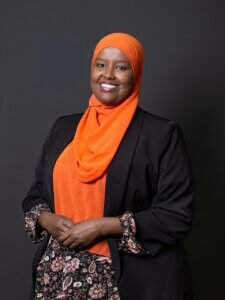
Earlier this month, Sagal Abdi-Wali was sworn in as the MP for Holborn and St Pancras in London, succeeding former Prime Minister Sir Keir Starmer as the area’s representative. Born in Somalia, she arrived in Britain in the early 1990s as a child refugee, her family fleeing the civil war. She grew up in Camden, worked her way through local government and became the first Somali-born refugee woman elected to the UK Parliament.
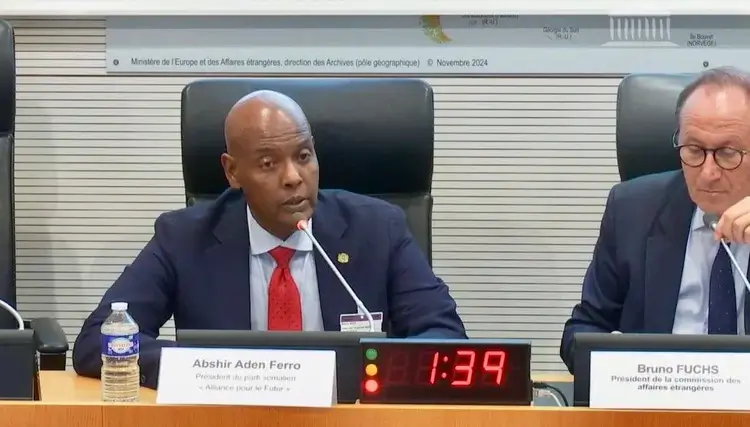
Her story is remarkable, but it should not be rare. It shows what happens when a child from a refugee family, with very little, grows up in a society that is safe, secure and not endemically corrupt, one that invests in its young people. The tragedy is that this chance depends on escaping Somalia. For XIM’s Chair, Abshir Aden Ferro, that has to change.
A country that has stopped investing in its own minds
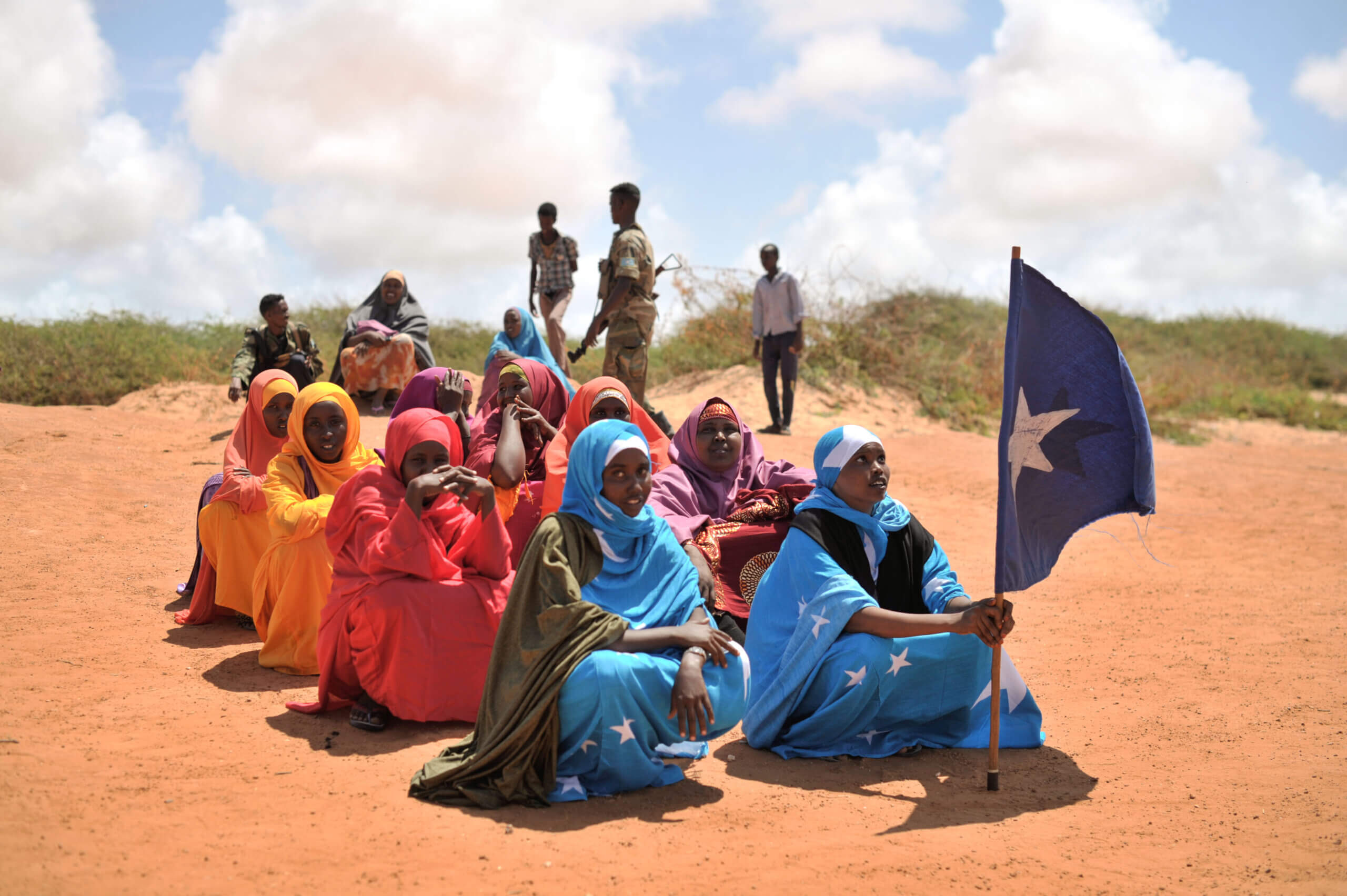
Somalia is governed by mediocrity. Education has gone out of the window, and knowledge has gone with it. The country is intellectually poor, its brightest minds leave, and there is no ladder for the young people who stay. Somalia has been so preoccupied with fighting itself that it has forgotten to support the generation that will inherit it.
The numbers tell the story. Three million Somali children are out of school. The Borgen Project reports that most schools in the country are private, so many families simply cannot afford them, and children drop out to work and help their families survive. The UN Peacebuilding Fund notes that more than seven in ten Somalis are under 35, yet young people remain largely shut out of decision making, their voices muffled by generational hierarchies.
A country that ignores seven in ten of its people is not being led. It is being wasted.
What happens when there is no ladder
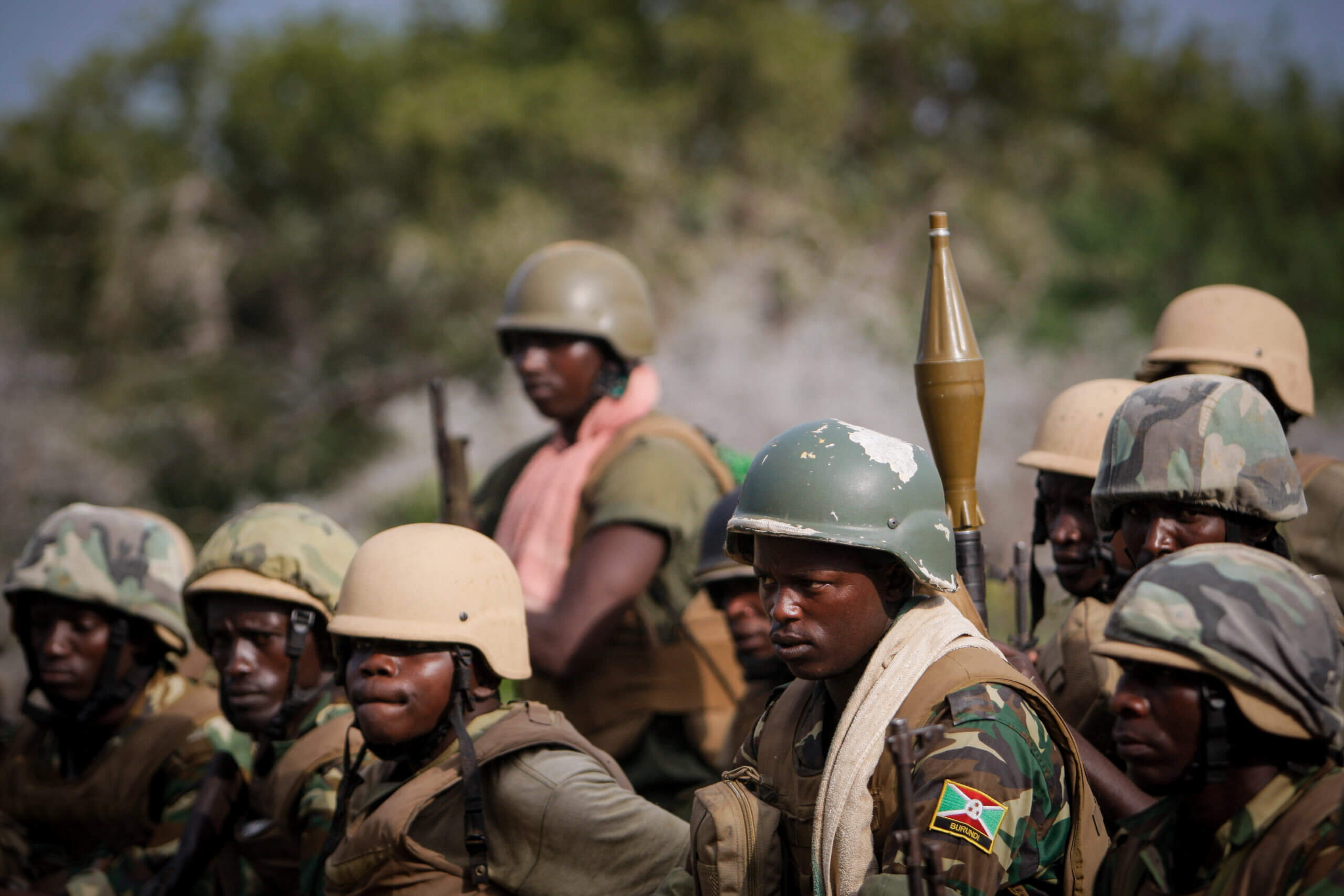
When a young person has no school, no skills and no work, other people step in to fill the gap. Research shared by the Peace News Network describes a young man in Gedo who said that before he completed vocational training, he saw only two options: leave Somalia or join the armed groups. Months later he was running a solar repair workshop with two fellow graduates and no longer wanted to leave.
That is the whole argument in one story. Desperation feeds Al-Shabaab and it feeds piracy. Opportunity starves both. The same research warns, however, that training alone is not enough. Graduates also need capital, tools and access to markets, or the gains fade. Skills without jobs are just frustration with a certificate.
Young Somalis are already proving what is possible
The most frustrating part is how much talent is already there. In Jowhar, more than 700 young people took part in a UN backed peacebuilding project, learning to resolve land and water disputes using a mix of traditional dialogue and digital mapping tools. Participants said young people finally had a seat at the table.
UNFPA Somalia describes the right approach as treating young people as partners and leaders rather than beneficiaries. In Garowe, the National Olympic Committee launched a youth sports development programme where, for the first time, women outnumbered men in an official programme. Somalia is also preparing its largest ever youth team for the Dakar 2026 Youth Olympics, yet the committee says it receives no government budget for elite sport and relies on international support to compete at all.
These are young Somalis succeeding in spite of their leadership, not because of it.
Abshir’s plan: Build the ladder
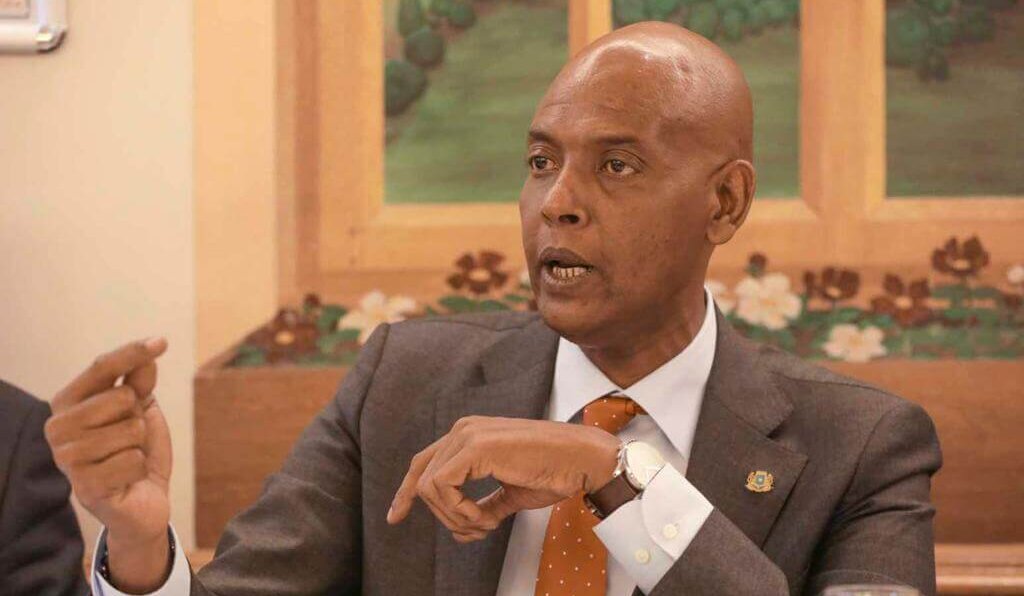
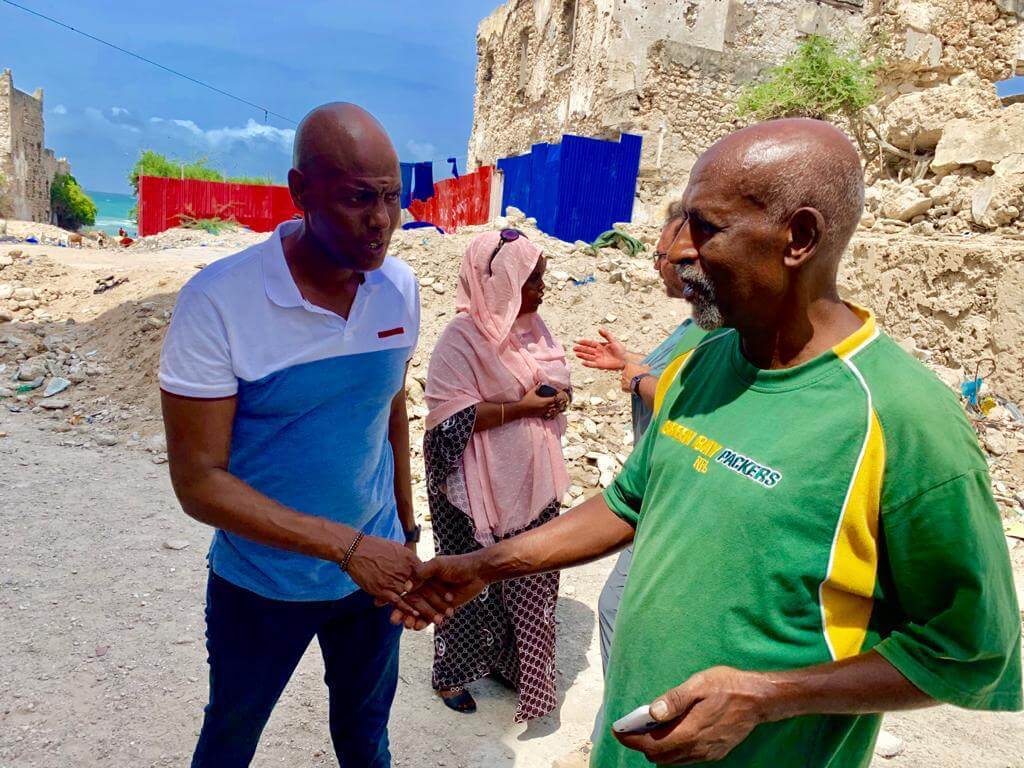
Abshir Aden Ferro never saw himself as a politician. He is running because he believes Somalia’s young people deserve far better, and his 12 point vision puts them at its heart.
An educated Somalia means every child has access to education and modern technical and vocational training, so young people become the architects of Somalia’s renewal rather than recruits for extremism. A prosperous Somalia means XIM becomes the party of job creation, giving young people real economic alternatives to hatred and piracy. A self-reliant Somalia means reviving the Shabelle and Juba rivers, harvesting 200,000 tonnes of fish a year from a cleaned coastline, and making Grown in Somalia a label supermarkets display with pride. Each of those industries needs young workers, farmers, fishers, engineers and entrepreneurs.
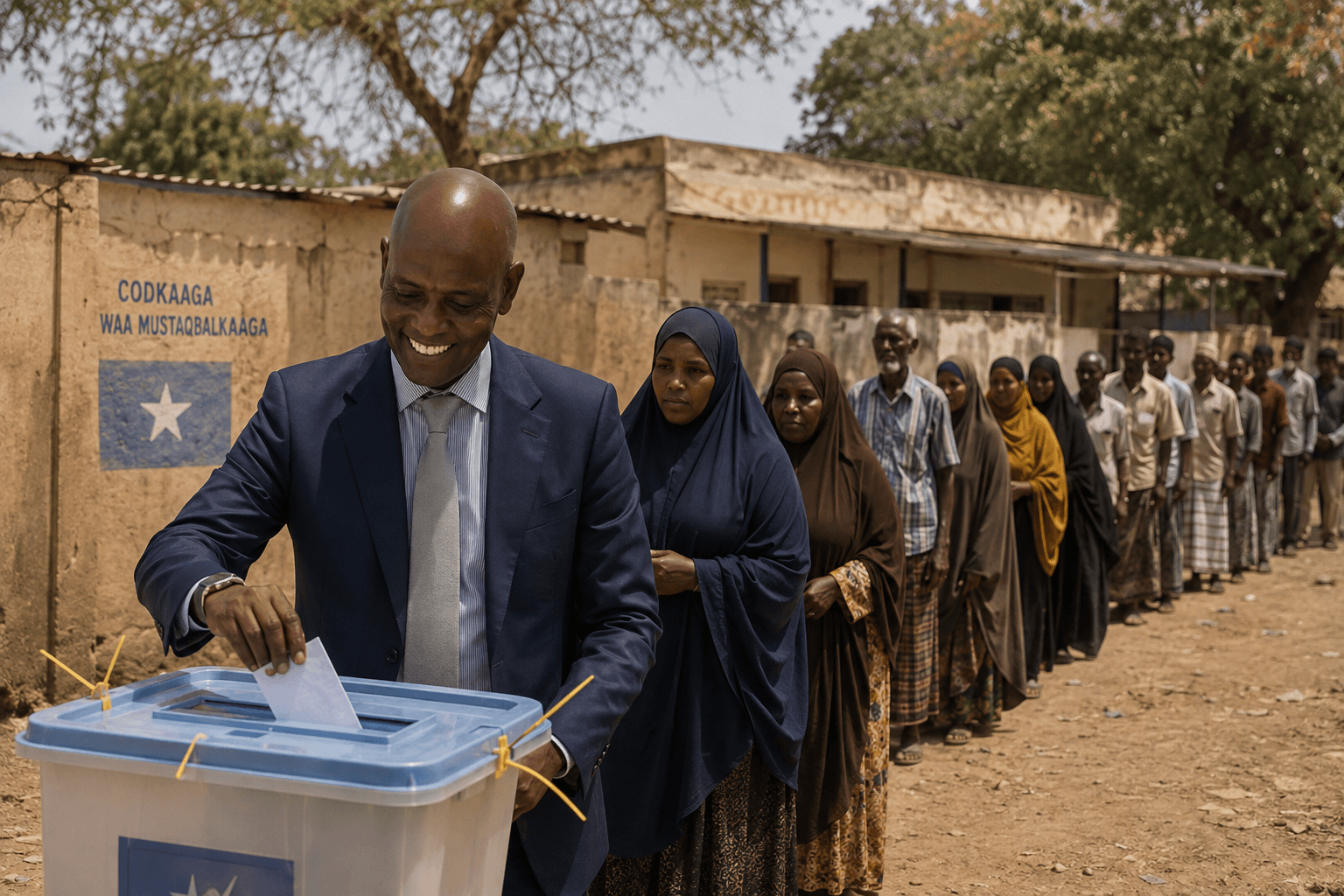
A healthy Somalia means training medical personnel and creating well paid healthcare jobs. An equal Somalia means women and girls, who bore the heaviest burdens of the civil war, take their place in the economy and in politics. And a democratic Somalia means one person, one vote, so the young people who make up most of the country finally choose their own future.
Abshir understands both sides of this story. Born in Mogadishu and raised across Somalia, France, Britain and the UAE, he combines local roots with global experience. Young Somalis abroad carry skills, ambition and a deep attachment to home. A reborn Somalia should be a country they are proud to invest their talent in, and one that offers young people at home the same opportunities their cousins abroad take for granted.
Sagal Abdi-Wali’s journey was not magic. It was the result of a society that gave a child safety, schooling and a path upward. Somalia’s young people are no less talented, and they are no less determined. What they lack is a government that believes in them.
Abshir’s message to them is simple. Somalia’s future is yours, and he intends to build the ladder you have been denied. As he puts it, to those who say it cannot be done, he will become President and do it himself, not because it is easy but because it is hard.
Note: Sagal Abdi-Wali MP is referenced in this piece solely as an example of what young Somalis can achieve when given opportunity. She has not endorsed Abshir Aden Ferro, the Alliance for the Future Party (XIM) or this campaign, and no endorsement should be inferred.