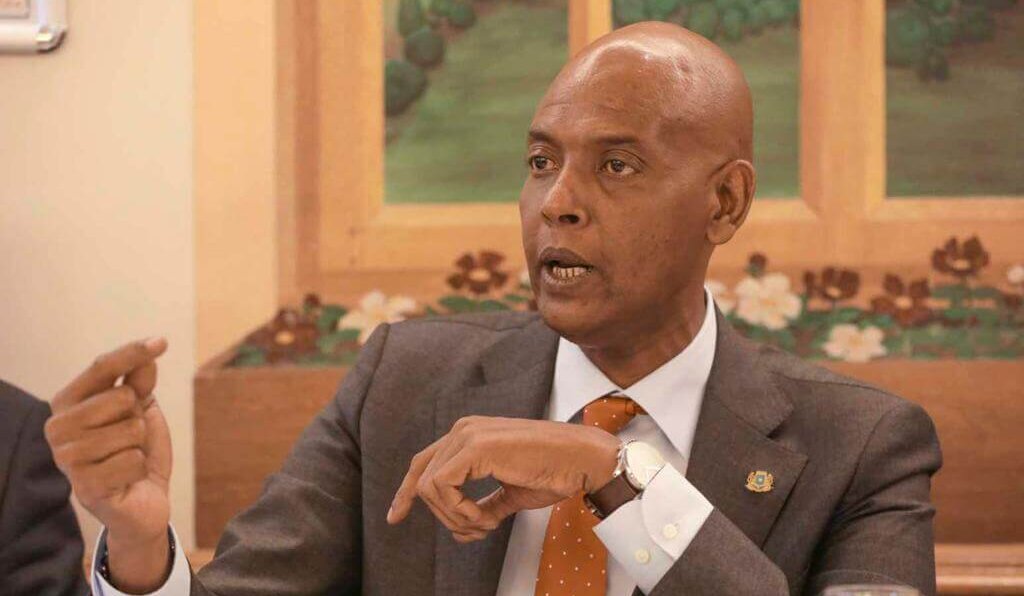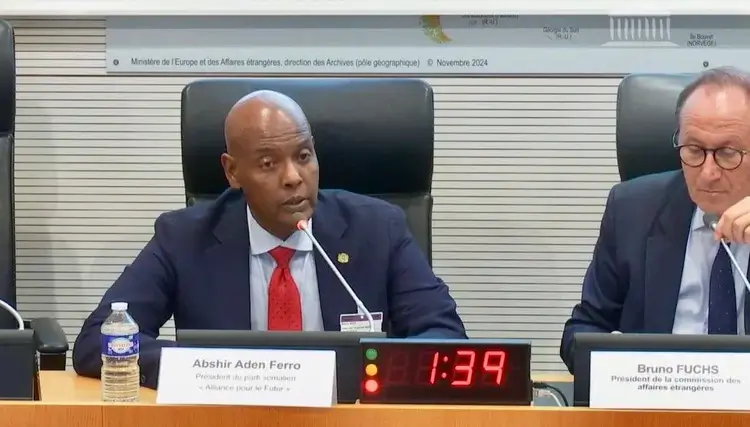
The world is changing, and not for the better. Rising powers are testing the rules, proxies are multiplying, and principles that once seemed fixed are bending to the demands of the oil market. For Somalia, this is both a warning and an opportunity. As XIM’s Chair, Abshir Aden Ferro, argues, a country with Somalia’s resources and position cannot afford to be run by mediocrity while everyone else writes the rules.
Note: Sagal Abdi-Wali MP is referenced in this piece solely as an example of what young Somalis can achieve when given opportunity. She has not endorsed Abshir Aden Ferro, the Alliance for the Future Party (XIM) or this campaign, and no endorsement should be inferred.
When barrels beat principles
The pressure is easy to see. The IMF says oil prices have stayed around 100 dollars a barrel, well above its baseline forecast, and that emergency reserves are running low. The US Strategic Petroleum Reserve has fallen to its lowest level since 1982. European diesel is trading at nearly 200 dollars a barrel, and fuel costs have fuelled unrest in France.
That is why President Macron has been on a Gulf tour, securing diesel commitments from the UAE, Bahrain and Saudi Arabia worth roughly a tenth of French consumption, while calling for free navigation through the Strait of Hormuz.
It is also why Washington is changing course. On 9th October, President Trump announced a diesel deal with Vladimir Putin and the Treasury suspended sanctions on Russian diesel deliveries until April 2027. According to the Council on Foreign Relations, Ukraine was then told to stop striking Russian refineries, with reports that arms and intelligence could be withheld. Days later the EU adopted its largest ever package of Russia sanctions. Zelensky called the decision weak and said it plays into Russia’s hands.
The same logic runs through the headlines. American forces seized Venezuela’s president in January, and ProPublica reports that the resulting oil agreement favours US interests at nearly every turn while the role of Venezuela’s own government is largely absent. President Trump, who has repeatedly refused to rule out taking Greenland by force, now speaks of oil and mineral exploration in “our new and beautiful Greenland”, though Greenland’s own officials say the island is far from massive exploration. Even Britain has approved the Jackdaw gas field this week, with Rosebank still to be decided, despite its climate pledges.
Everywhere, energy security is running the show. The lesson for small and fragile states is simple. If you do not control your own resources, someone else will.
Somalia sits in the middle of it
Somalia has the longest coastline in Africa and sits beside some of the most important shipping lanes on earth. As attacks and instability rattle the Gulf and the Red Sea, analysts at OilPrice.com note that the oil industry is searching for new frontier provinces. Somali crude could reach Asian buyers without passing through Hormuz.
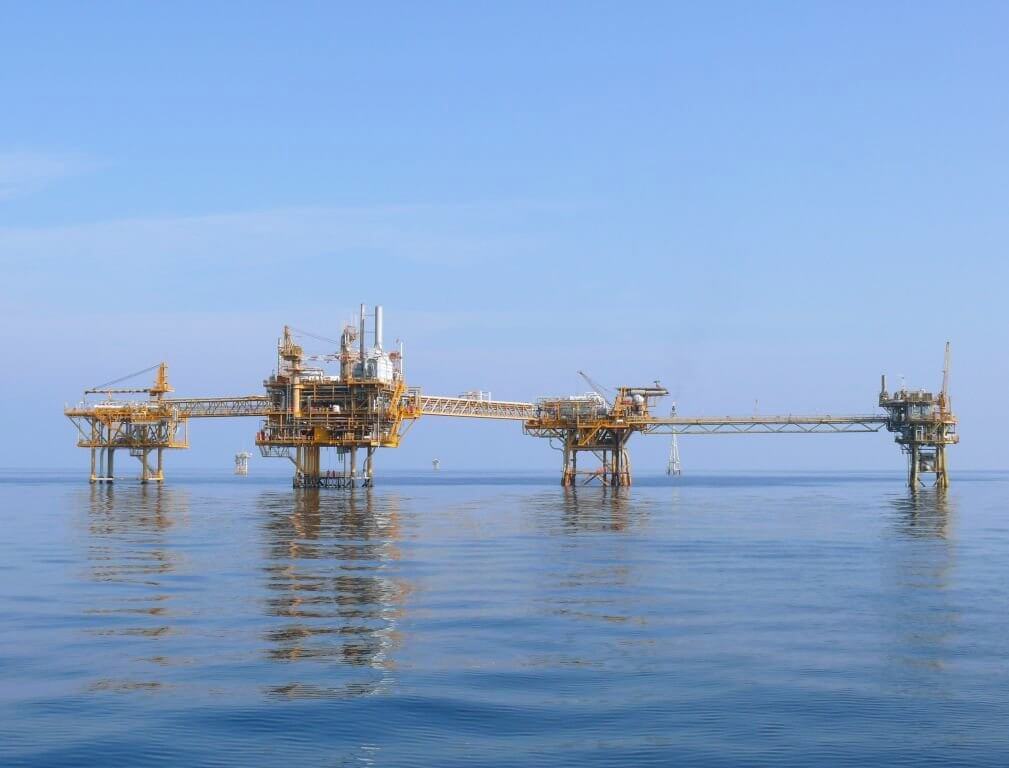
Turkish Petroleum is exploring the Curad-1 well, roughly 372 kilometres from Mogadishu, one of the deepest offshore exploration wells ever attempted. OilPrice describes a discovery of 200,000 to 300,000 barrels a day as a possible game changer for East African oil trade.
The real question is who benefits if the oil is found. Under the Somalia and Türkiye agreement, the contractor can recover costs from up to 90% of annual production after royalties, with royalties capped at 5%. Defenders, including Somalia’s ambassador to Türkiye, stress that this is cost recovery rather than ownership, and that the investor carries the exploration risk.
But critics raise legitimate questions. Somali lawmakers reportedly approved the deal without seeing the document. The published agreement does not settle the final profit split, which depends on later contracts. And analysts warn that high recoverable costs could delay meaningful revenue for ordinary Somalis for years.
Somalis should not have to rely on leaks and explainers to learn how their wealth is being shared. The Venezuelan example shows what happens when resources are committed on terms that serve the deal-makers first. Somalia has a long history of its wealth ending up in the pockets of foreign governments and its own politicians. It cannot afford another chapter.
Abshir’s plan: Make resources the foundation, not a side project
Abshir Aden Ferro sees the oil, gas and critical minerals beneath Somalia as the foundation of national strategy, not a side project for the powerful. His plan starts with transparency. Government contracts and resource deals should be open to scrutiny so every Somali can see who benefits. A dedicated anti-corruption ministry and a truly independent High Court would ensure politicians are never above the law.
His approach to the world is reciprocity. Somalia should engage France, Turkey, the UK and the USA as an equal partner, on its own terms, and no longer allow foreign powers to divide it or manipulate its supply chains.
He has also earned the right to say this. When a minister allegedly demanded a bribe over his livestock export centre in Berbera, he refused.
Resources also need stability and unity. A safe Somalia, with terrorism defeated and the rule of law restored, will reassure serious investors. And a united Somalia, where every region shares equally in national wealth, removes the disputes that have long made licensing and revenues so contested.
For centuries Somalia was not a footnote in the world’s story but at its centre. In a dangerous, oil hungry century, that position can return. A Somalia that negotiates openly, enforces its laws and invests its wealth in its people can become a genuine regional power. A Somalia that repeats the mistakes of the past will simply become someone else’s supply line.
The choice belongs to Somalis. Abshir Aden Ferro is asking them to choose the first path.